Theme | Objective | Content | Hands – on Training |
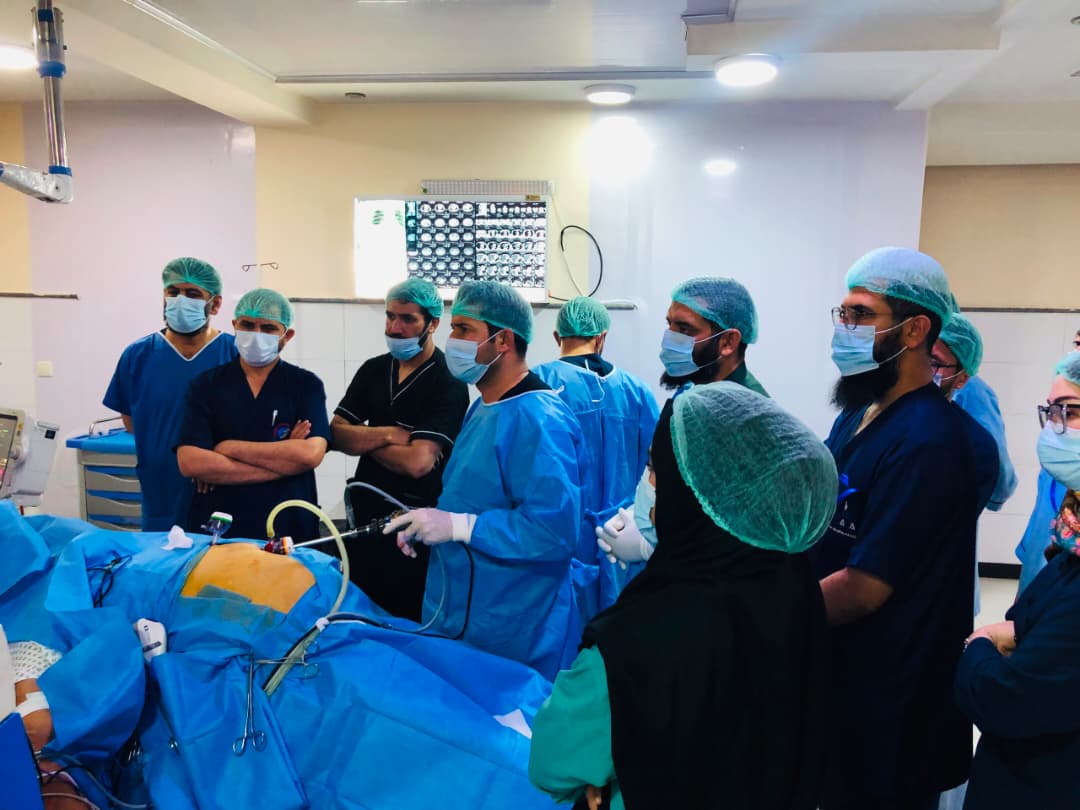
DAY 1 | Introduction to Laparoscopy and Basic Skills | Understand foundational principles and equipment. | · Overview of laparoscopic surgery benefits, risks, and history. · Introduction to laparoscopic instruments: trocars, camera systems, graspers, dissectors, and energy devices. | · Setting up the operating room (OR) for laparoscopy · Basic camera handling and depth perception drills. |
DAY 2 | Surgical Anatomy and Port Placement | Review key abdominal anatomy and safe port positioning. | · Detailed review of abdominal and pelvic anatomy relevant to laparoscopic surgery. · Principles of port placement, including safe entry techniques (Veress needle, open technique). | · Simulated port placement and pneumoperitoneum creation. · Instrument Design Part I- Demonstration of Laparoscopic Hand Instruments. |
DAY 3 | Camera Navigation and Instrument Control | Develop proficiency in maintaining visualization and instrument handling. | · Understanding 0° vs. 30° laparoscopes. · Practice in maintaining horizon, preventing fogging, and avoiding “tunnel vision.” | · Coordination drills — object transfer, peg manipulation, and tissue handling. · Instrument Design Part II- Demonstration of Light Source, Light Cable and Electrosurgical Generator. |
DAY 4 | Basic Laparoscopic Procedures – Diagnostic and Biopsy | Perform diagnostic laparoscopy and basic tissue biopsies. | · Indications for diagnostic laparoscopy. · Biopsy techniques — liver, peritoneal, and omental. | · Perform a complete diagnostic laparoscopy on simulators or animal models. · Instrument Design Part III (Demonstration of Insufflators, Camera, Monitor and Ergonomics of O.T. setup of these instruments in Operation Theatre) |
DAY 5 | Laparoscopic Dissection Techniques | Master the steps of a laparoscopic cholecystectomy. | · Detailed breakdown of critical view of safety (CVS). · Managing adhesions | Hands- on Practice as an assistant . |
DAY 6 | Diagnostic Laparoscopy | Laparoscopic Access Techniques and Diagnostic Laparoscopy (Presentation) | | |
DAY 7 | Laparoscopic Suturing Techniques | | · Laparoscopic Intracorporeal Suturing (Presentation) · Laparoscopic Operative Procedures- Part I- (Presentation) | Ligation & clip application |
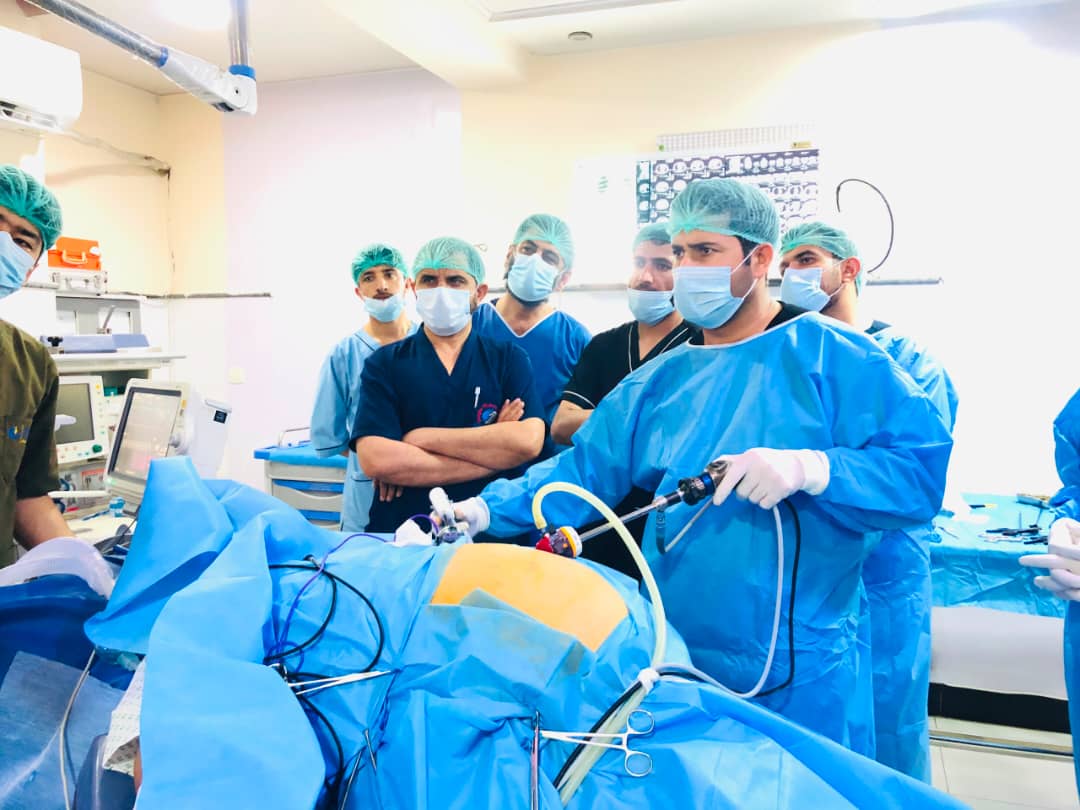
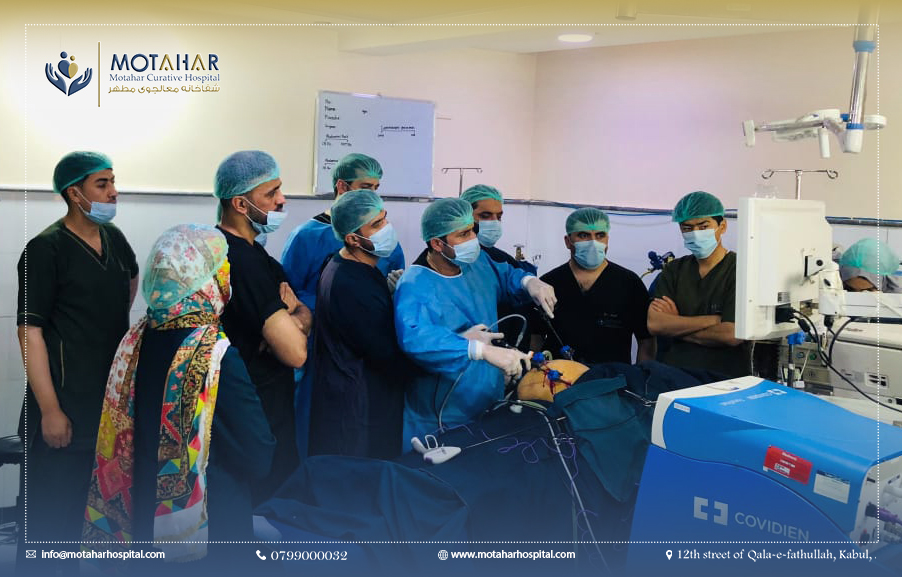
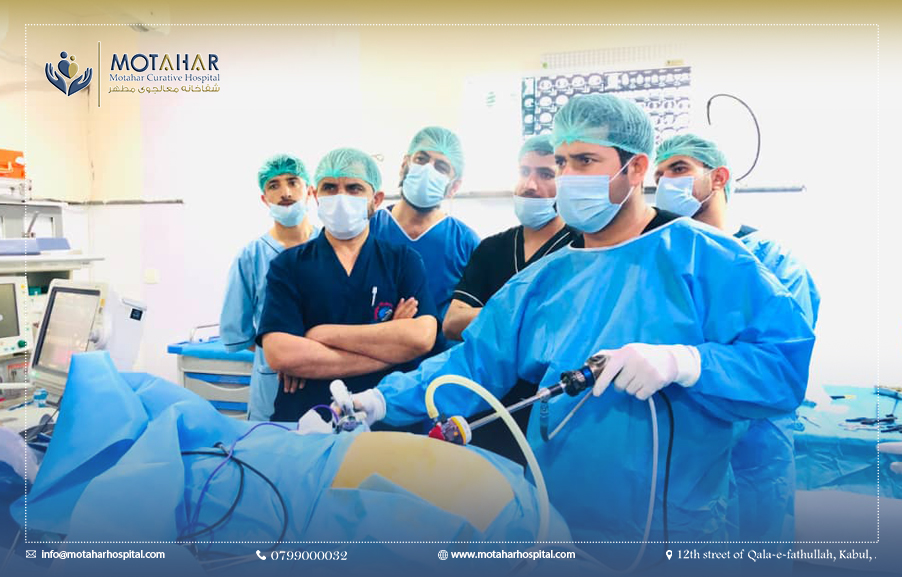
DAY 8 | Safe MIS | Mistakes and Errors in Minimal Access Surgery (Presentation) | Practice and hands- on depending on the discipline. o Practice of Surgery- Part I (Cholecystectomy by Surgeons. Salpingostomy, Salpingectomy by Gynecologists) o Practice of Surgery- Part II (Appendectomy by Surgeons, Ovarian drilling and Endometriosis ablation by Gynecologists o Practice of Surgery- Part III (Direct Hernia by Surgeons and Ovarian Cystectomy by Gynecologists) o Practice of Surgery- Part IV (Indirect and Ventral Hernia by Surgeons and LAVH (Laparoscopic Assisted Vaginal Hysterectomy) by (Gynecologists) o Practice of Surgery- Part V (Diagnostic Thoracoscopic by Surgeons and Hysteroscopy by Gynecologists) |
DAY 9 | Hysteroscopy | Minimal Invasive Surgery (MIS) in Gynecology | Introduction to hysteroscopy | o Instrument holding and familiarization with the technique. |
DAY 10 | Safe & Quality MIS | Patient selection, pre and post operative preparation. | From patient selection to post operative follow- up plan. | Setting up the OT |